
10 Common Pet Nutrition Mistakes (That Even Loving Owners Make)

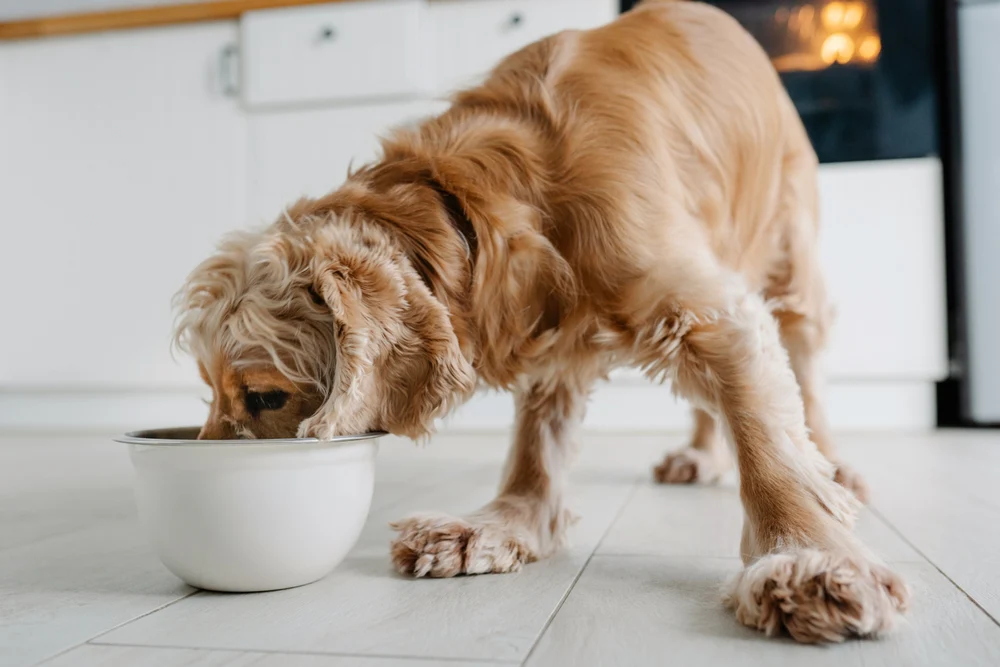
Feeding a pet seems simple—until you realize how many well-meaning habits can quietly do harm. In 2026, pet owners are more informed than ever, yet nutrition myths are still everywhere.
Let’s walk through the 10 most common mistakes—with a bit of honesty (and a touch of humor).
1. “Human Food = Better Food”
It feels logical: if it’s healthy for you, it should be healthy for your pet, right?
Not quite.
Many human foods—like onions, chocolate, grapes, and even certain seasonings—are toxic to pets. Others are simply too rich, salty, or unbalanced for their digestive systems.
Your dog may love your dinner. That doesn’t mean it loves your dog back.
2. Overfeeding (a.k.a. Love in Disguise)
Extra treats, bigger portions, “just one more bite”—it adds up fast.
Obesity is one of the most common health issues in pets today, leading to:
- Joint problems
- Diabetes
- Heart strain
The tricky part? A slightly chubby pet often looks “cute,” not unhealthy.
If your pet had a fitness tracker, it would probably file a complaint.
3. Believing “Grain-Free = Healthier”
Grain-free diets became a trend—but not always a necessity.
Unless your pet has a specific allergy, grains can actually be a valuable source of nutrients. In some cases, poorly formulated grain-free diets have even been linked to heart issues in dogs.
Marketing says “premium.” Biology says “it depends.”
4. Switching Food Too Frequently
Trying new brands every week might feel like offering variety—but for pets, it can cause:
- Digestive upset
- Diarrhea
- Appetite instability
Pets thrive on consistency, not culinary experimentation.
Your pet is not a food critic. Stability beats surprise.
5. Ignoring Portion Guidelines
Many owners either eyeball portions or rely on guesswork.
But feeding too much—or too little—can lead to long-term issues. Portion needs vary based on:
- Age
- Weight
- Activity level
- Breed
“One scoop” is not a universal unit of measurement.
6. Treats Becoming a Second Diet
Treats are meant to be occasional—but often become a significant calorie source.
Some pets get:
- Training treats
- Snack treats
- “Because they looked cute” treats
Before you know it, treats make up 20–30% of daily intake.
At that point, it’s not a treat. It’s a lifestyle.
7. Not Providing Enough Fresh Water
Simple, but often overlooked.
Dehydration can lead to:
- Kidney issues
- Urinary problems
- Low energy
Some pets, especially cats, are naturally low drinkers—making hydration even more critical.
If your pet’s water bowl looks untouched, it probably is.
8. Feeding Raw Diets Without Proper Knowledge
Raw feeding has gained popularity, but it’s not as simple as tossing raw meat into a bowl.
Risks include:
- Nutritional imbalance
- Bacterial contamination
- Improper bone handling
A poorly planned raw diet can do more harm than good.
“Natural” doesn’t automatically mean “correct.”
9. Ignoring Life Stage Nutrition
A puppy, an adult dog, and a senior pet have very different nutritional needs.
Yet many owners stick to one type of food for years.
This can lead to:
- Growth issues in young pets
- Weight gain in adults
- Lack of support for aging joints and organs
Your pet is aging. Their diet should too.
10. Following Trends Instead of Facts
From vegan pet diets to exotic superfoods, trends come and go quickly.
But pets are not humans—they have species-specific nutritional requirements.
Blindly following trends can result in deficiencies or imbalances.
Your pet doesn’t care about trends. Their body cares about nutrients.
Last but not the least
Most pet nutrition mistakes don’t come from neglect—they come from good intentions without enough clarity.
The real goal isn’t perfection. It’s informed consistency.
Because at the end of the day:
Feeding your pet isn’t just about filling a bowl.
It’s about building a foundation for a longer, healthier, and happier life.
And if your pet could talk, they’d probably say:
“Less guesswork. More understanding. And maybe… just one treat.” 🐶